
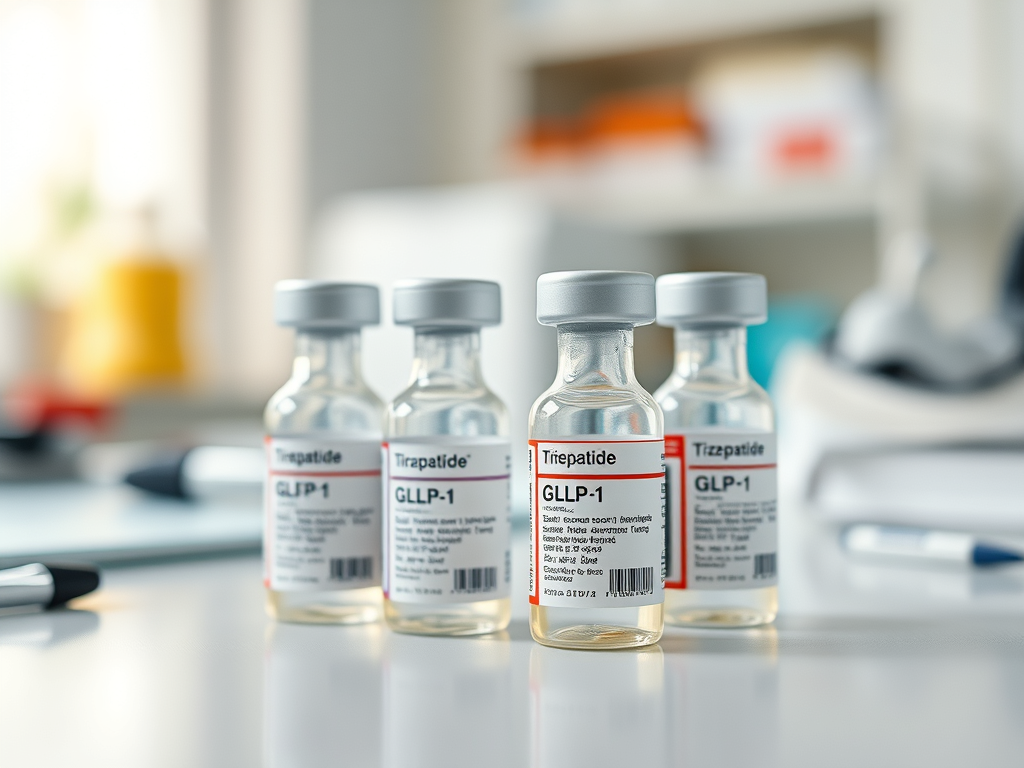
September 5, 2025, U.S. Food and Drug Administration (FDA) has issued Import Alert #66-80, titled:
“Detention Without Physical Examination of Glucagon-Like Peptide-1 (GLP-1) Receptor Agonist Bulk Drug Substances”
This action means that semaglutide, tirzepatide, and other GLP-1 receptor agonist APIs from foreign sources are now subject to automatic detention at U.S. ports of entry, unless the manufacturer is listed on the FDA’s Green List.
❗ Why This Matters
GLP-1 receptor agonists (like semaglutide and tirzepatide) are widely used in the treatment of type 2 diabetes and chronic weight management. Due to shortages of approved products, many compounders turned to foreign API sources—but FDA investigations have found serious compliance issues:
- 21% of API manufacturing sites reviewed were found noncompliant with U.S. current Good Manufacturing Practices (cGMPs).
- Several firms refused to provide FDA-requested documentation or quickly deregistered after offering APIs for sale.
- FDA has raised concerns about product adulteration, lack of GMP controls, and inconsistent quality in compounded products using these APIs.
⚠️ What’s the Impact?
- Automatic detention (DWPE): Products not from FDA-approved sources will be held at the border without physical inspection.
- Supply chain disruption: Manufacturers, importers, and distributors of GLP-1 APIs may face delays, rejections, or enforcement actions.
- Reputation risk: Firms associated with noncompliant suppliers may experience market confidence issues or face scrutiny in future regulatory reviews.
🛡️ How EZFDA Can Help
At EZFDA, we specialize in helping companies navigate the complexities of FDA compliance and enforcement. Our team provides:
- Regulatory strategy & risk assessment for GLP-1 APIs
- Review of API supplier compliance history
- FDA communication support and documentation preparation
- Strategic guidance to maintain uninterrupted U.S. market access
📩 Get in touch: info@ezfda.com
🌐 Contact us: www.ezfda.com/contact
Let EZFDA be your partner in navigating this critical regulatory change.

Leave a Reply